
SIRIM Certified ESD Flooring Malaysia — Trusted, Audit-Ready Since 1979
choosing SIRIM certified ESD flooring Malaysia is critical for semiconductor plants, electronics manufacturers, and facility managers choosing SIRIM certified ESD flooring Malaysia aligned with IEC 61340 and ANSI/ESD S20.20.
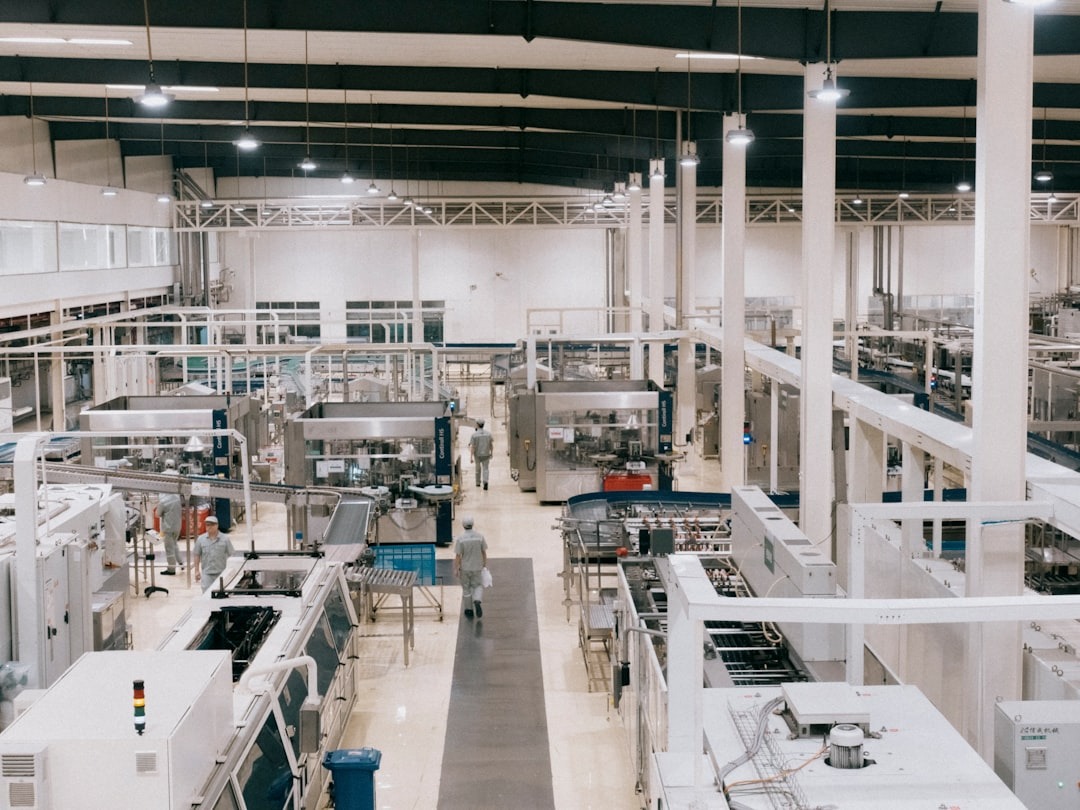
sirim-certified-esd-flooring-malaysia-· SIRIM certified ESD flooring Malaysia protects sensitive semiconductor production lines.
1. What “SIRIM Certified ESD Flooring” Really Means in Malaysia
The phrase “SIRIM certified ESD flooring Malaysia” is used loosely in the market, so it’s worth separating the three things buyers actually care about:
- SIRIM alignment — SIRIM (Standards and Industrial Research Institute of Malaysia) is Malaysia’s national standards and conformity-assessment body. For ESD flooring, SIRIM involvement typically shows up as product testing, factory quality certification (e.g., ISO 9001 registered through SIRIM QAS International), and product-compliance documentation that Malaysian auditors, MNCs, and government-linked factories recognise.
- International ESD standards — the technical pass/fail benchmarks for an ESD floor are not written by SIRIM. They are set by IEC 61340-5-1 (the international ESD control program standard) and ANSI/ESD S20.20 (the North American equivalent widely adopted by global MNCs). Both are published via the ESD Association.
- On-site test certification — even a SIRIM-documented product can fail in the field if installation, grounding, or subfloor preparation is wrong. That’s why the floor must be tested after installation by a qualified ESD engineer (TAKO uses iNARTE USA certified ESD engineers) using calibrated instruments.
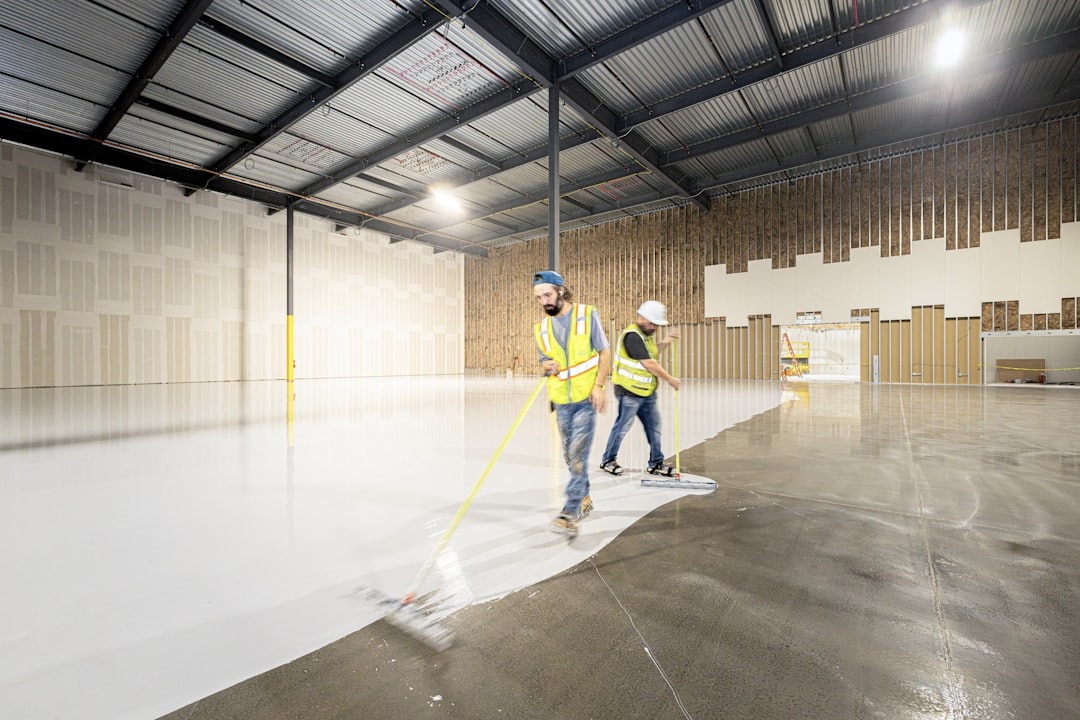
Figure 1 — Filename: sirim-esd-flooring-installation-malaysia.jpg· Seamless, conductive flooring ready for on-site resistance testing per ANSI/ESD S20.20.
The three layers of “certified” a Malaysian buyer should verify
| Layer | What it certifies | Typical evidence to request |
| Product / material | The tile, vinyl, epoxy, or rubber meets a declared surface and volume resistance range | Manufacturer test report, SIRIM-recognised lab test data, material data sheet |
| Supplier quality system | Supplier operates under a recognised quality framework | ISO 9001 certificate (SIRIM QAS or equivalent registrar), company registration |
| Installed system | The floor, as installed and grounded, passes IEC 61340-5-1 / ANSI/ESD S20.20 | Post-installation test certificate signed by an iNARTE-qualified ESD engineer, using STM 7.1, STM 97.1 and STM 97.2 |
Why this distinction matters on a real audit
On a facility audit in Selangor or Kulim Hi-Tech Park, an auditor does not just ask “is this tile certified?” They ask: what is the Resistance-to-Ground (Rg) reading today, at this point, on this floor, with your operator’s actual footwear? A product-only certificate will not answer that. That’s why TAKO always pairs SIRIM-aligned product supply with on-site, witness-tested commissioning — and issues a certificate only when readings comply with the selected standard. In short: SIRIM certified ESD flooring Malaysia is best understood as locally-accountable supply and installation verified against international benchmarks.
2. Why ESD Protection Matters in Malaysian Electronics & Semiconductor Plants
Malaysia is uniquely positioned as a global hub for semiconductor testing, packaging, and high-tech electronics manufacturing. However, this high-tech landscape is situated in a tropical climate. While outdoor humidity is naturally high, the highly controlled, air-conditioned cleanrooms inside a fab in Penang or Johor have severely stripped moisture from the air. This low-humidity environment is a breeding ground for static electricity.
Walking across a standard vinyl floor can generate upwards of 5,000 volts of static electricity. Yet, modern micro-components like microprocessors, highly sensitive PCBAs, and medical tech devices can be irreparably destroyed by as little as 10 to 100 volts—often referred to as a “latent defect” that passes QA but fails in the consumer’s hands.
A proper installation of SIRIM certified ESD flooring Malaysia acts as a massive, continuous grounding pad. When paired with proper ESD footwear, it drains electrostatic charges safely away from personnel and equipment before they can discharge into your high-value inventory.
3. SIRIM vs. IEC 61340 vs. ANSI/ESD S20.20 – How the Standards Work Together
Navigating standards can be confusing for procurement. Here is how the three main frameworks interact:
- SIRIM: Acts as the baseline of localized trust. A supplier audited by SIRIM QAS proves they have reliable, documented operational and manufacturing processes. It proves the company you are buying from is legitimate and consistent.
- IEC 61340-5-1: This is the European and international standard for protecting electronic devices from electrostatic phenomena. It outlines the specific resistance ranges required (typically < 1.0 x 10^9 ohms) for flooring.
- ANSI/ESD S20.20: Developed by the US-based ESD Association, this standard is considered the gold standard worldwide, particularly by American and global MNCs operating in Malaysia. It requires flooring to have a system resistance of < 1.0 x 10^9 ohms and a walking body voltage of under 100 volts.
When you ask for SIRIM certified ESD flooring Malaysia, what you actually need is a supplier with local credentials (SIRIM ISO 9001) who will install a floor that strictly passes ANSI/ESD S20.20 testing requirements.
4. Types of SIRIM Certified ESD Flooring Malaysia (Vinyl, Epoxy, Rubber, Raised Floor)
When evaluating SIRIM certified ESD flooring Malaysia, there is no “one size fits all” solution. The right choice depends heavily on your traffic loads, cleanroom classification, and specific operational budget.
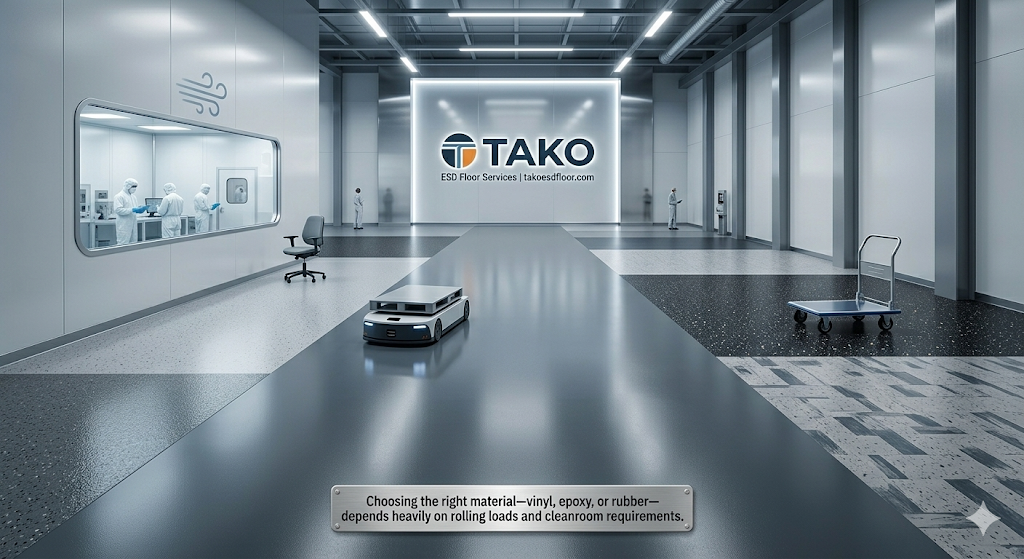
Figure 2 —types-of-esd-flooring-epoxy-vinyl.jpg· Choosing the right material—vinyl, epoxy, or rubber—depends heavily on rolling loads and cleanroom requirements.
| Material | Best Use Case | Pros & Cons |
| ESD Vinyl (PVC) Tiles | Cleanrooms, assembly lines, server rooms. | Pros: Excellent dimensional stability, cost-effective, easy to replace individual tiles.Cons: Has seams (though they are welded). |
| ESD Epoxy Coating | Heavy manufacturing, areas with heavy forklift/AGV traffic. | Pros: Seamless, highly durable, easy to clean, excellent chemical resistance.Cons: Cannot be easily removed; subfloor moisture can cause bubbling if not prepped correctly. |
| ESD Rubber | Soldering stations, heavy equipment repair areas. | Pros: High resistance to heat/solder flux, ergonomic anti-fatigue properties.Cons: More expensive than vinyl. |
| Raised Access Floors (ESD) | Data centers, specialized test floors. | Pros: Hides massive cabling infrastructures.Cons: Highest upfront cost. |
5. Compliance Testing: STM 7.1, STM 97.1 & STM 97.2 On-Site Procedures
To ensure your floor complies with ANSI/ESD S20.20, your installer must perform rigorous on-site testing. If your current supplier hands you a floor without these test reports, your facility is at risk.
TAKO engineers use calibrated megohmmeters to conduct STM 7.1 resistance-to-ground tests.
- ANSI/ESD STM 7.1: Measures the Resistance to Ground (Rtg) and Resistance Point to Point (Rtt) of the floor itself. Megohmmeter probes are placed on the floor to ensure electricity flows to the copper grounding grid correctly.
- ANSI/ESD STM 97.1: Measures the system resistance. This tests the combination of the floor and the person wearing specific ESD footwear.
- ANSI/ESD STM 97.2: Measures body voltage generation. An engineer walks on the floor while connected to a charge analyzer to ensure they do not generate more than 100 volts of static.
6. Cost & Pricing Factors for SIRIM Certified ESD Flooring Malaysia
Facility managers naturally want to know: How much does SIRIM certified ESD flooring Malaysia cost? The answer depends on several variables, making generic “per square foot” pricing misleading.
Key factors influencing your quotation include:
- Subfloor Preparation: If your existing concrete is uneven, damp, or covered in old adhesives, self-leveling screed and moisture barriers must be applied first. This is often where “cheap” contractors cut corners, resulting in failure within a year.
- Conductive Copper Gridding: A proper ESD floor requires a grid of copper tape laid underneath the surface, tied to an earth ground.
- Material Choice: Epoxy systems are generally priced based on thickness (e.g., 2mm vs 3mm). Vinyl tiles rely heavily on the quality of the conductive adhesive used.
- Location & Logistics: Mobilization of heavy equipment and materials to highly secure zones like Kulim Hi-Tech Park or strict MNCs in Bayan Lepas require specific security and safety clearances.
7. Buying Guide: 8 Questions to Ask Any ESD Flooring Supplier
When evaluating suppliers of SIRIM certified ESD flooring Malaysia, ask these questions
- Is your company ISO 9001 certified (SIRIM QAS or equivalent)?
- Do you provide material test reports from recognized third-party labs?
- Do you install a proper copper grounding grid under the flooring?
- Are your installation technicians in-house or outsourced sub-contractors?
- Do you provide a post-installation certification report?
- Are your certifying engineers iNARTE certified?
- Are your testing instruments (megohmmeters, charge analyzers) calibrated annually?
- What is the specific warranty period for electrical conductivity? (Note: Physical wear and tear is different from electrical failure).
8. Common Mistakes That Fail Facility ESD Audits
Investing in SIRIM-aligned, ANSI-compliant flooring means nothing if daily operations undermine the system. Here are the top reasons facilities fail their quarterly ESD audits:
esd-flooring-maintenance-mistakes · Using standard commercial wax will instantly create an insulating barrier over an expensive ESD floor.
- Standard Floor Waxes & Cleaners: Using regular janitorial chemicals leaves an insulating residue. You must use specialized ESD cleaners that do not coat the conductive fibers.
- Incompatible Footwear: The floor is only half the system. If operators wear standard rubber-soled shoes instead of designated ESD shoes or heel straps, they are isolated from the floor, rendering it useless.
- Severed Ground Connections: Moving heavy equipment can sometimes sever the wall ground connection. Regular inspection of the earthing points is mandatory.
- Dirt Accumulation: A dirty floor is a resistive floor. Dust acts as an insulator, breaking the path to ground.
9. Local Coverage for SIRIM Certified ESD Flooring Malaysia: Penang, Selangor, Johor
Whether you are setting up a massive new wafer fab in Bayan Lepas (Penang), expanding an electronics assembly plant in Shah Alam or Selangor, managing a high-tech data center in Johor Bahru, or breaking ground at Kulim Hi-Tech Park, our localized technical teams understand regional logistics, subfloor humidity traits, and local factory permit requirements for installing SIRIM certified ESD flooring Malaysia.
10. Why Choose TAKO Malaysia’s ESD Flooring Specialist Since 1979
There are many generic flooring contractors, but there are very few true ESD control specialists.

Figure 5 — : tako-esd-engineers-malaysia.jpg· TAKO’s certified engineers ensure your flooring passes the strictest global standards.
- Pioneers in the Industry: TAKO has been providing SIRIM certified ESD flooring since 1979 in Malaysia and Singapore. We grew alongside the nation’s semiconductor boom.
- iNARTE Certified Engineers: We do not rely on guesswork. Our in-house iNARTE (International Association for Radio, Telecommunications and Electromagnetics) certified engineers design, oversee, and certify every installation.
- End-to-End Accountability: From subfloor moisture testing to copper grid laying, material supply, and final ANSI/ESD S20.20 certification, we handle the entire project turnkey.
- Trusted by Global MNCs: The biggest names in tech, healthcare, and automotive manufacturing trust TAKO to keep their production lines static-free and audit-ready.
11. Frequently Asked Questions
What is the difference between Anti-Static and ESD flooring?
While often used interchangeably, there is a technical difference. “Anti-static” simply means the floor itself resists generating a static charge when walked upon. “ESD (Electrostatic Discharge) flooring” actively drains existing static charges from people and equipment away into a physical ground point. For electronics manufacturing, you need true ESD flooring.
How long does an ESD floor last?
With proper maintenance, an ESD epoxy or high-quality vinyl floor can easily last 10 to 15 years. However, its electrical performance depends heavily on keeping the surface free of insulating dirt and never using standard floor waxes.
Can we install ESD vinyl over our existing concrete?
Yes, but the concrete must be thoroughly assessed. It must be clean, dry, and flat. We routinely perform moisture tests and apply self-leveling compounds to ensure the new flooring adheres perfectly and maintains consistent conductivity.
Will SIRIM certified ESD flooring Malaysia alone pass my customer audit?
No. SIRIM proves the product quality and supplier reliability. To pass a rigorous customer audit (especially from US or European MNCs), you need a post-installation certificate proving the floor meets ANSI/ESD S20.20 or IEC 61340-5-1 metrics via live, on-site testing.
Do I need to re-test my ESD flooring annually?
Yes. Standards like ANSI/ESD S20.20 require ongoing compliance verification. Over time, heavy foot traffic, dirt accumulation, or improper cleaning routines can reduce a floor’s conductivity. We highly recommend annual testing to ensure you remain completely audit-ready and your components remain protected.
Can you install the flooring without halting our active production line?
This largely depends on the material chosen. While ESD epoxy requires proper curing time and a dust-controlled environment, ESD vinyl tiles or interlocking systems can often be installed in phased sections or during scheduled maintenance windows to significantly minimize your operational downtime.
12. Conclusion: Secure Your Yields and Pass Your Next Audit
Static electricity is an invisible enemy that can cause devastating financial losses in the semiconductor and electronics industries. Relying on generic flooring contractors hoping they understand the nuances of electrical resistance, copper grids, and iNARTE testing is a risk no facility manager should take.
By demanding SIRIM certified ESD flooring Malaysia, installed and tested to ANSI/ESD S20.20 standards, you guarantee your facility is protected against latent defects, product recalls, and failed compliance audits.
Ready to Protect Your Production Line?
Don’t risk your next facility audit. Speak with TAKO’s iNARTE certified engineers today for a free site assessment, subfloor evaluation, and competitive quotation.

References & Further Reading
Internal link: #1 ESD Flooring Specialists in Malaysia & Singapore — TAKO overview
- Internal link: ESD Flooring Services in Selangor
- Internal link: Anti-Static Floor Installation in Johor Bahru
- External authority: ESD Association — ANSI/ESD S20.20 key documents
- External authority: SIRIM QAS International — product & system certification


